Loading document...
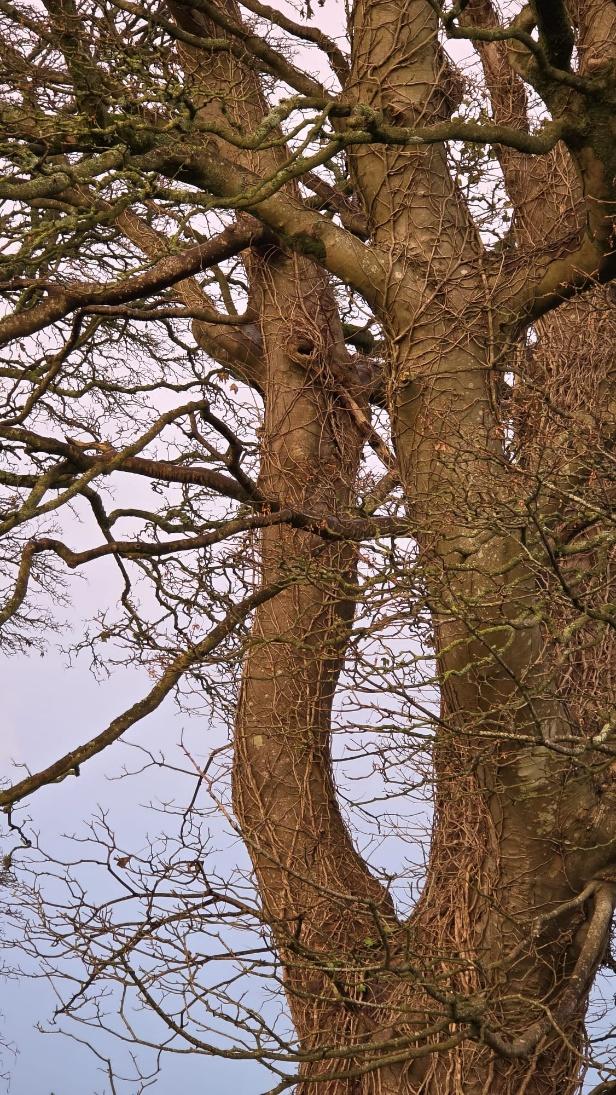
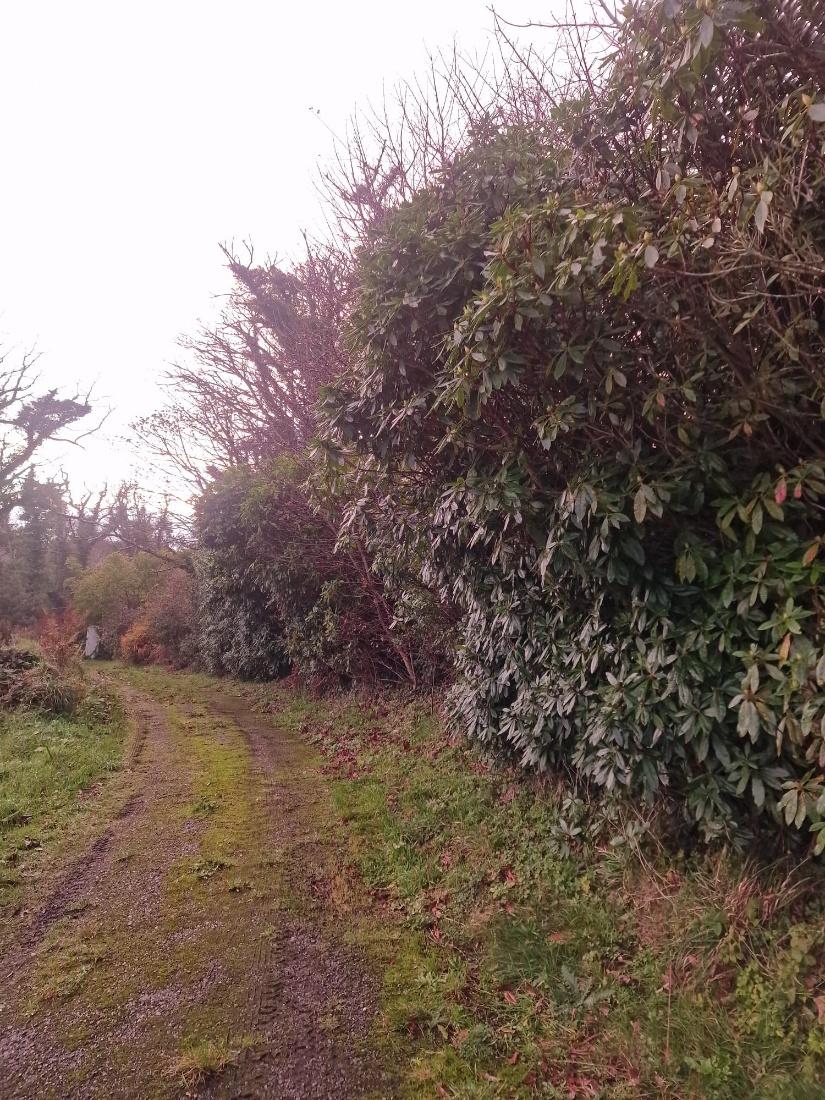
Prepared byAlex King, Junior Ecologist Checked byAllison Leonard, Managing Director, Manx BirdLife
Page 1 of 28
Introduction
1.1 Project Background 1.2 The Proposal 1.3 Legislation Survey/Site Assessment and Data Search 2.1 Survey Personnel 2.2 Site Location 2.3 Survey Methodology
Results
3.1 Survey Results 3.3 Survey Limitations Evaluation of Results Impact Assessment Recommendations
References
Appendix 1 – Survey notes
Appendix 2 – Additional Photographs
Page 2 of 28
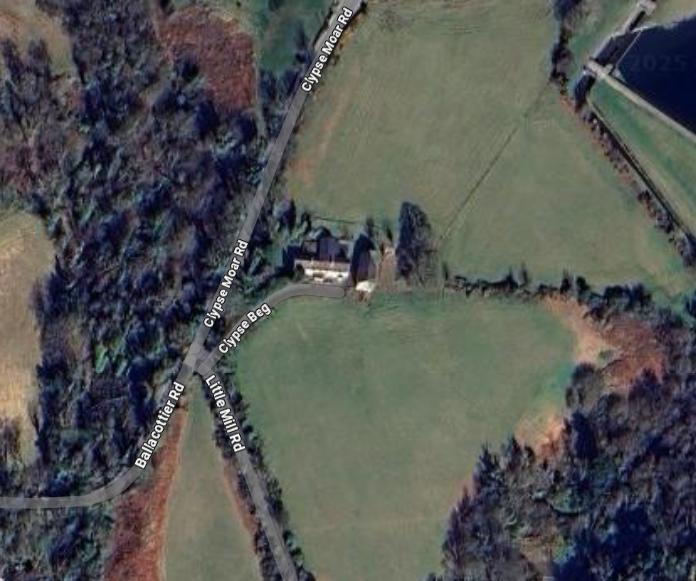
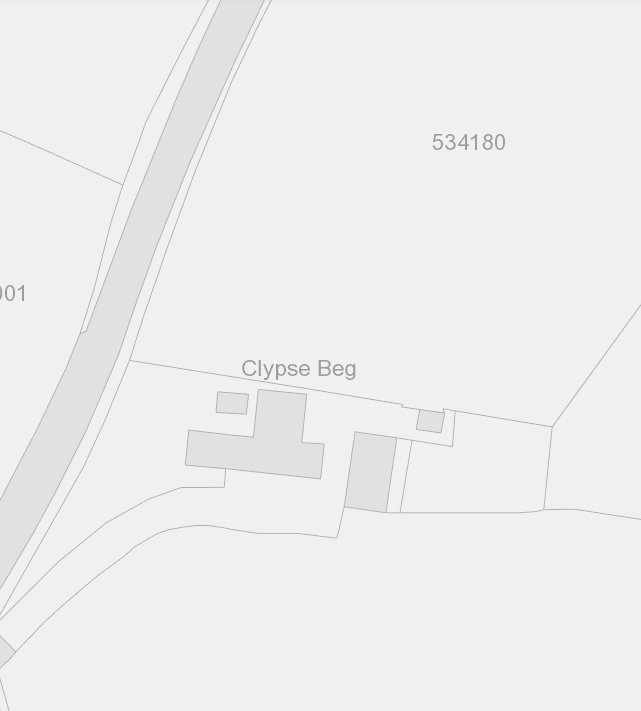
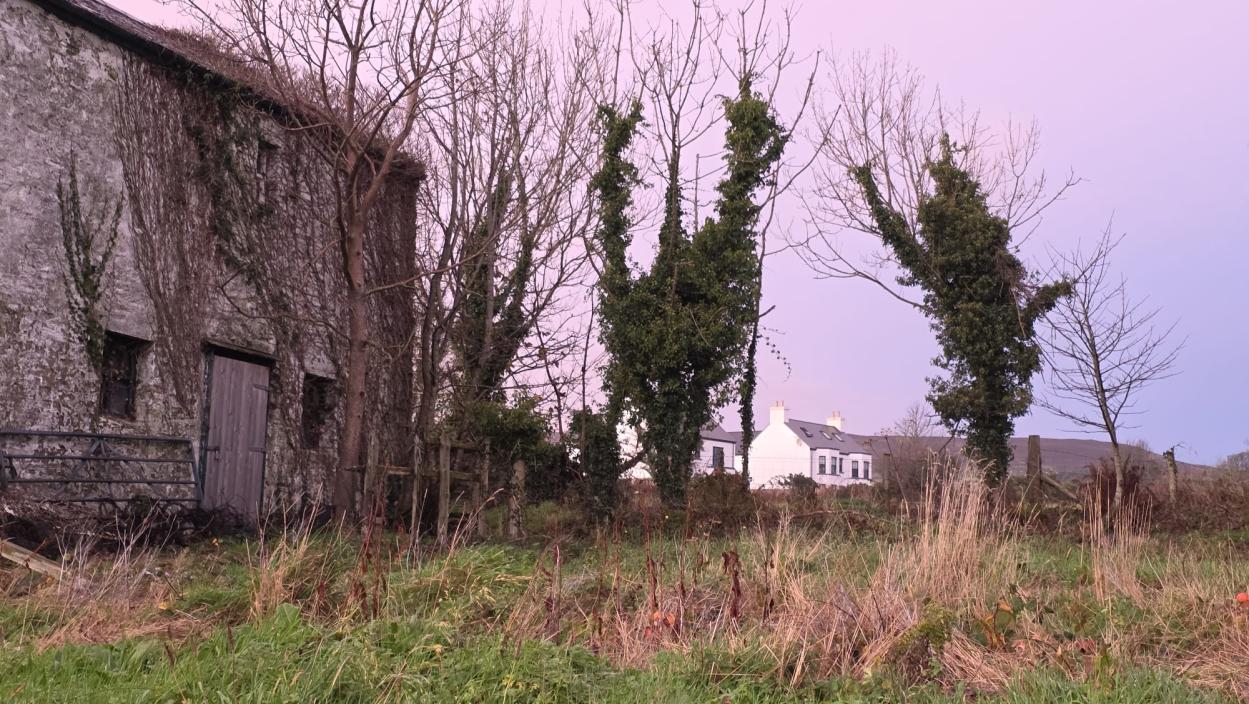
The trees to be surveyed include 5 individual Ash trees, 2 groups of Sycamores, 1 individual ornamental Cypress, a group of mixed ornamentals, and 1 individual Sycamore, located in the area of Little Mill road and Clypse Mooar road, Onchan.
The trees are to be removed as part of the demolition of existing structures and the construction of a larger replacement dwelling and a new driveway, which will connect to Clypse Mooar road.
Birds
The Isle of Man Wildlife Act 1990 (including 2004 amendments) is the primary legislation serving to protect the Island’s wildlife, including its wild birds. The Act sets out schedules of species of animal and plant that are protected by Manx law from injury or disturbance. The Act also establishes the legal protection of Areas of Special Scientific Interest and National Nature Reserves.
All birds and their nests are protected (cannot be killed, injured or taken), bar a few Schedule 2 species that can be shot in the open season. Once a wild bird has begun to build a nest, that nest is protected; it is an offence to take or destroy the nest, eggs or young of any wild bird.
Special penalties are available for offences related to Schedule 1 species, for which there are additional offences of disturbing these birds and their dependent young at or near their nests.
Bats
The Isle of Man Wildlife Act 1990 (including 2004 amendments) also serves to protect all species of Manx bats, which includes all species of Horseshoe bats and all species of Typical bats. It is an offence to harm or kill any bat, as well as to damage or destroy any place a bat uses, whether or not the bat is there.
Page 3 of 28
Allison Leonard BSc (hons), MSC has over 19 years of experience in ornithological and over 10 years’ experience in Bat surveys having worked with Aquila Ecology and the Central Scotland Bat Group carrying out bat surveys.
James Leonard BSc (hons) has over 20 years of experience in ornithological experience, specialising in birds of prey. James is a qualified drone pilot with the CAA, he holds a GVC level 1 Qualification, A TVQ in Drone Operator Management, Civil Aviation Authority (CAA) and Manx Aviation Authority (MAA)operation authorisation including permission for night flying and operations in restricted space. James and has over 10 years’ experience of carrying out drone surveys.
Both surveyors hold a schedule 1 licence for disturbance of bird species listed on schedule 1 of the wildlife act for the purpose of surveying.
Alex King MSc is an Ecology graduate with several years’ experience with Manx BirdLife. All work is carried out under the direct supervision and direction of Allison Leonard and James Leonard.
Page 4 of 28
| Sycamore group recommended for removal |
|---|
| 2 individual Ash recommended for removal | 2 individual Ash recommended for removal | |
|---|---|---|
| 2 individual Ash recommended for removal | 2 individual Ash recommended for removal |
| Individual Sycamore recommended for removal |
|---|
| Individual Ash recommended for removal |
|---|
| Sycamore group recommended for removal | Sycamore group recommended for removal | |
|---|---|---|
| Individual ornamental<br><br>Cypress recommended for removal | Individual ornamental<br><br>Cypress recommended for removal |
| Ornamental group recommended for removal |
|---|
Page 5 of 28
Breeding Bird Survey:
A full visual survey of the trees was carried out for any evidence of nesting birds, both active and inactive (as species such as Woodpigeons breed all year round).
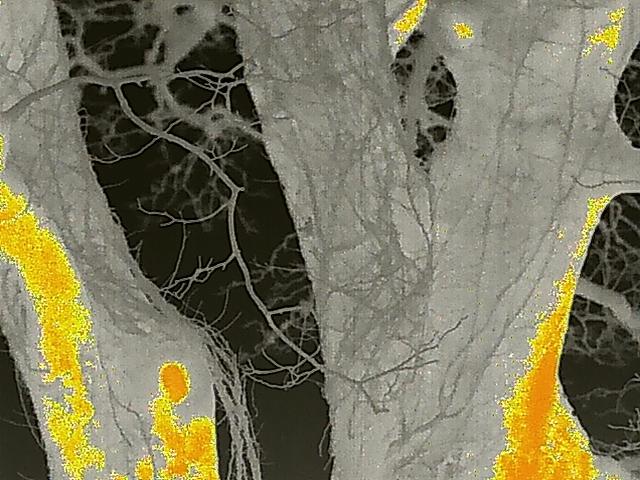
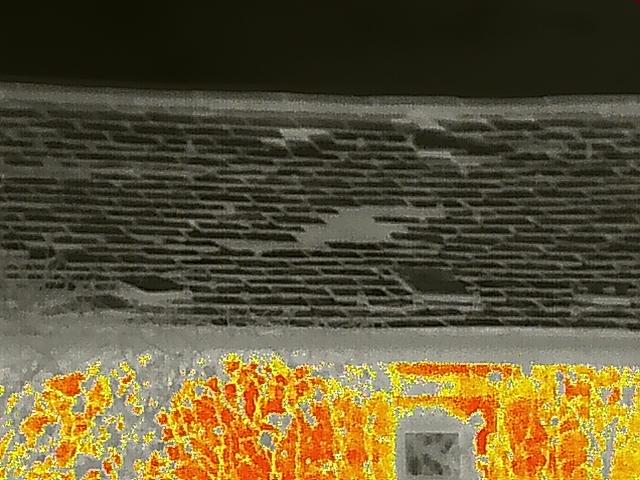
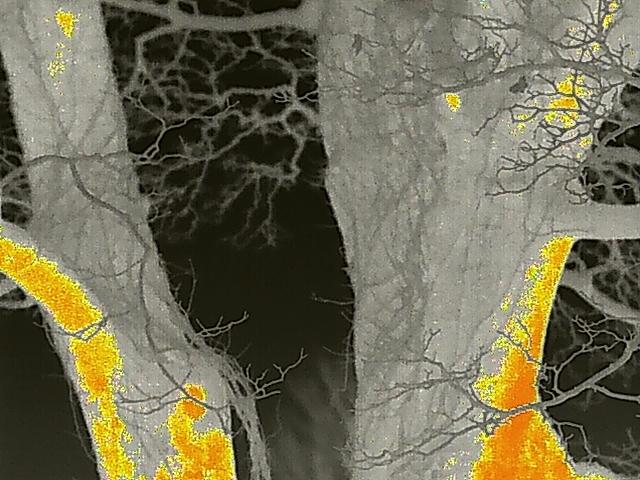
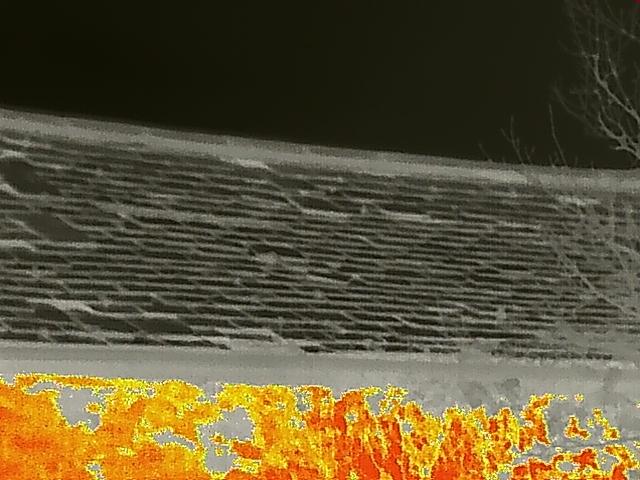
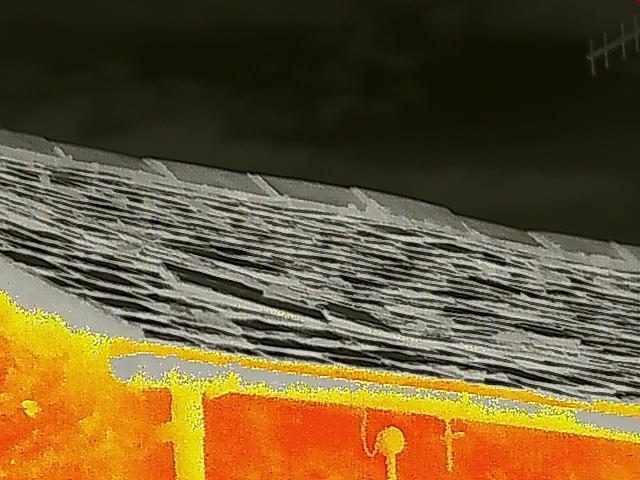
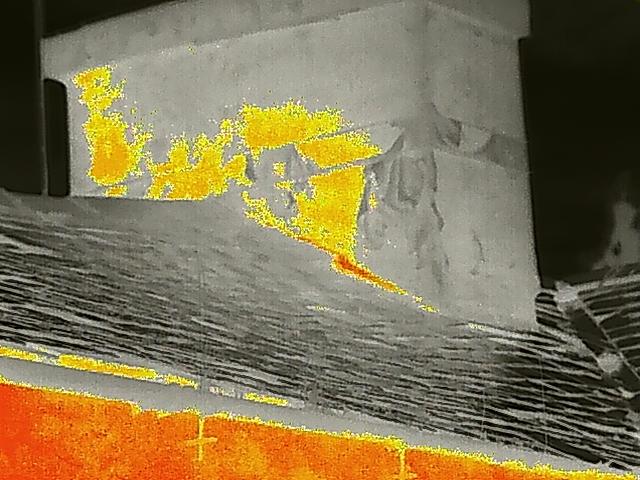
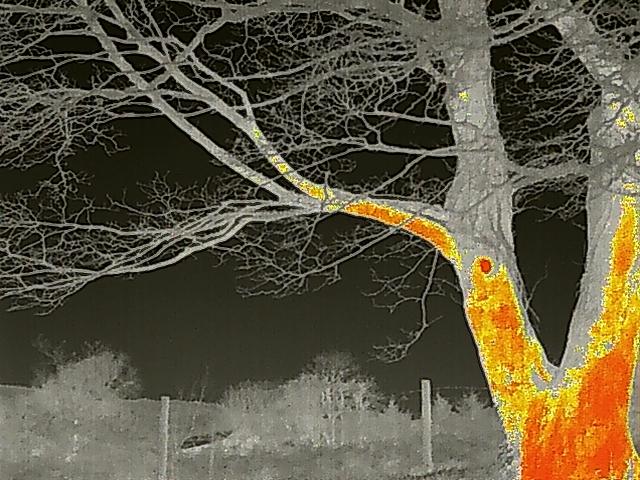
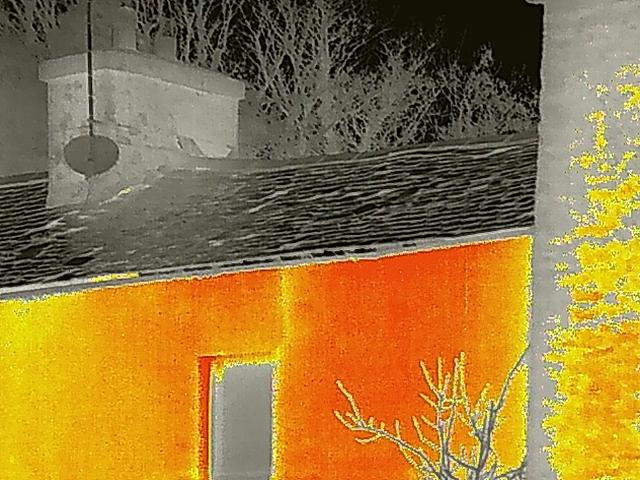
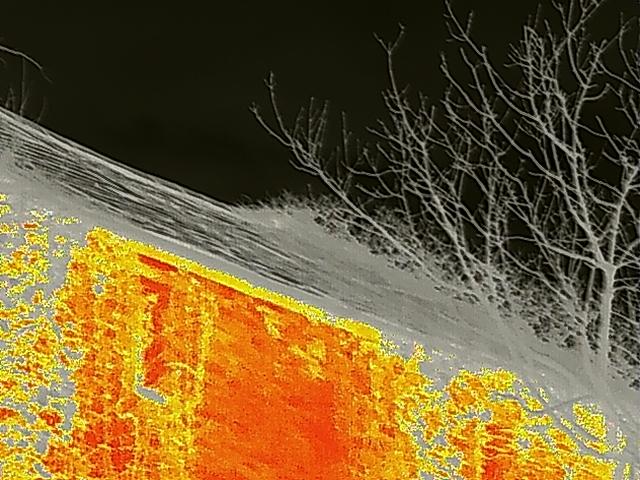
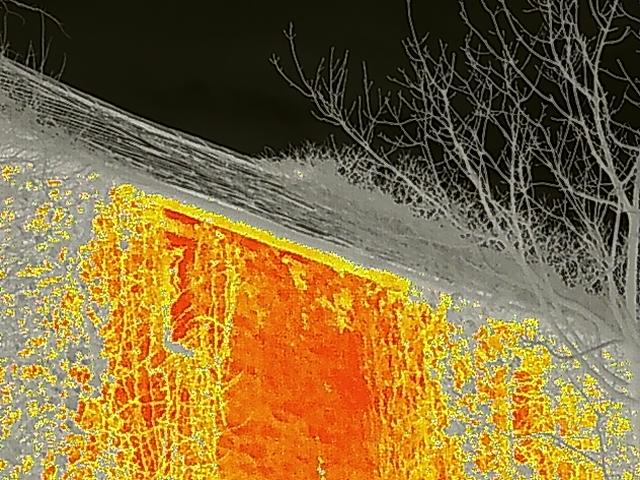
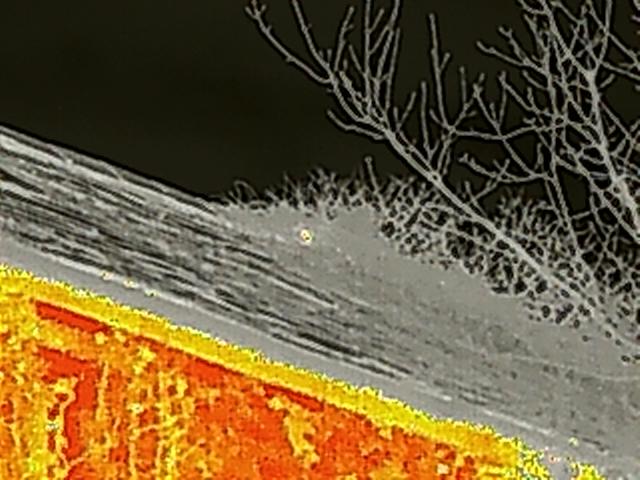
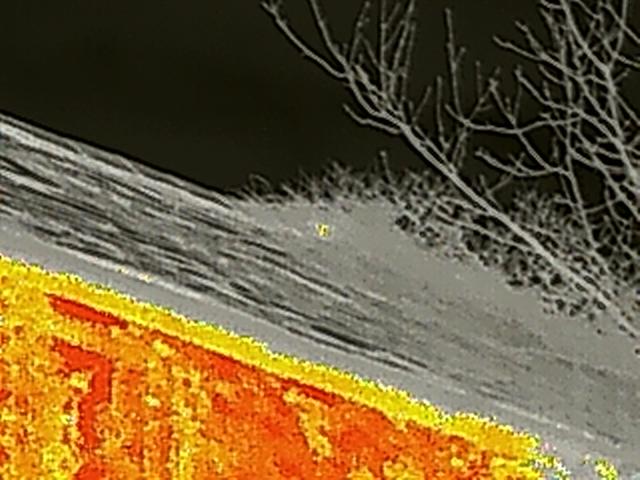
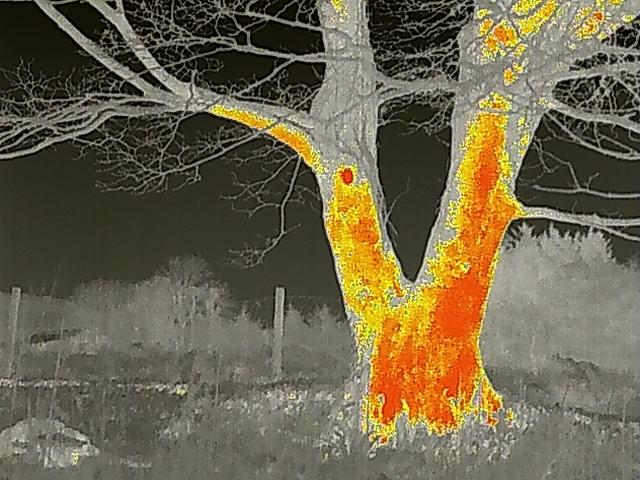
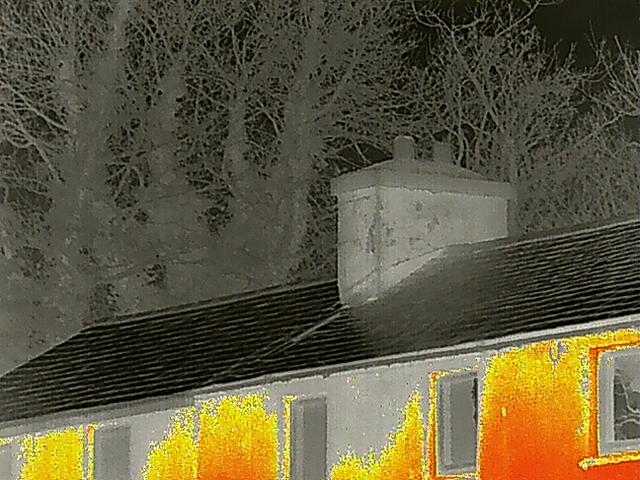
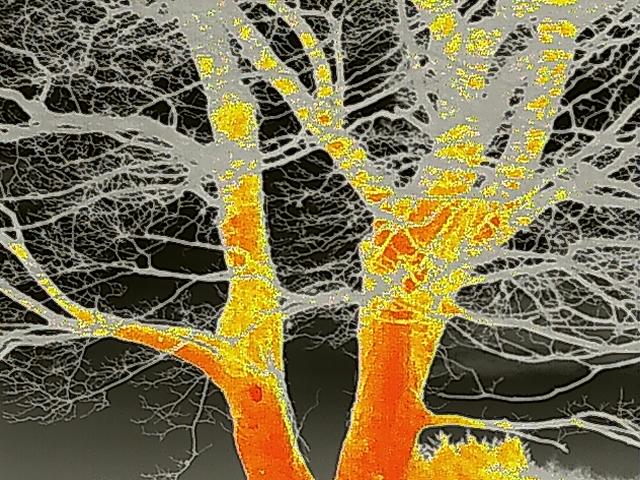
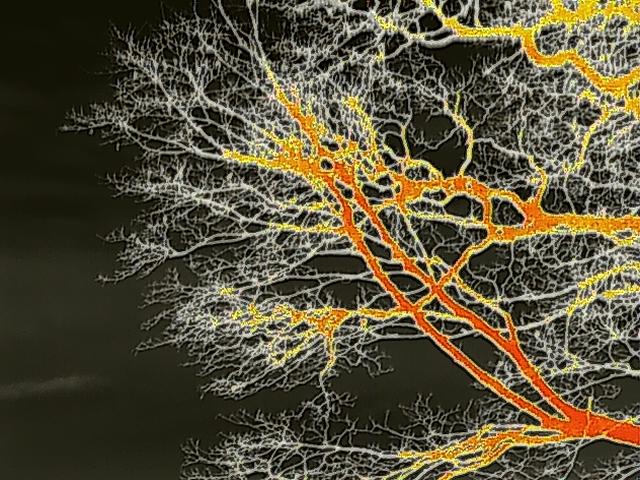
Binoculars were used to survey higher parts of the trees from the ground. A thermal scope was used to detect heat signatures on and within the trees, as well as areas of the buildings visible from outside. The thermal survey was carried out later in the day to ensure the temperature difference between any birds and bats within the property and the surroundings was maximised.
Bat Survey:
The Bat survey was carried out on the 10th of November 2025 in line with guidelines set out in the JNCC Bat Workers Manual (ie. On site 1 hour before sunset until 1.5 hours after sunset). Equipment used for the surveys was an Echo Meter Touch 2 and a Batbox Duet Bat Detector.
A walkover bird survey and thermal survey was carried out at the site on the 10th of November 2025. This survey covered trees plus the external areas of the buildings on the property.
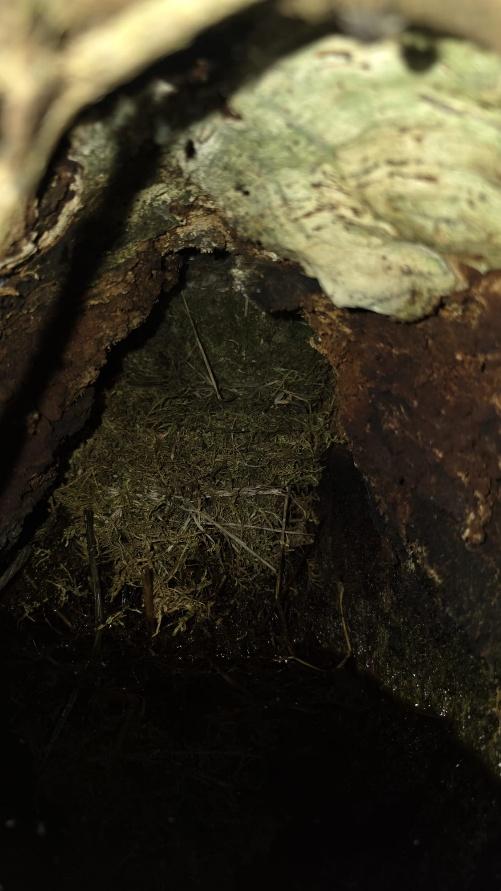
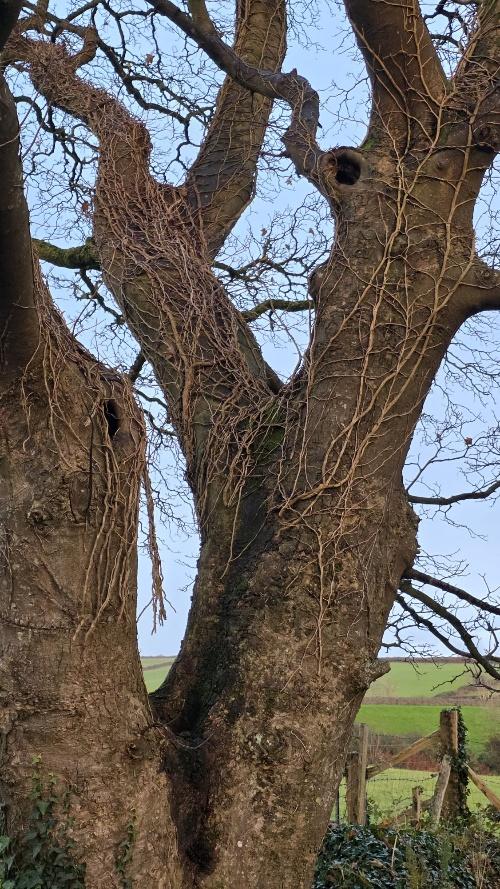
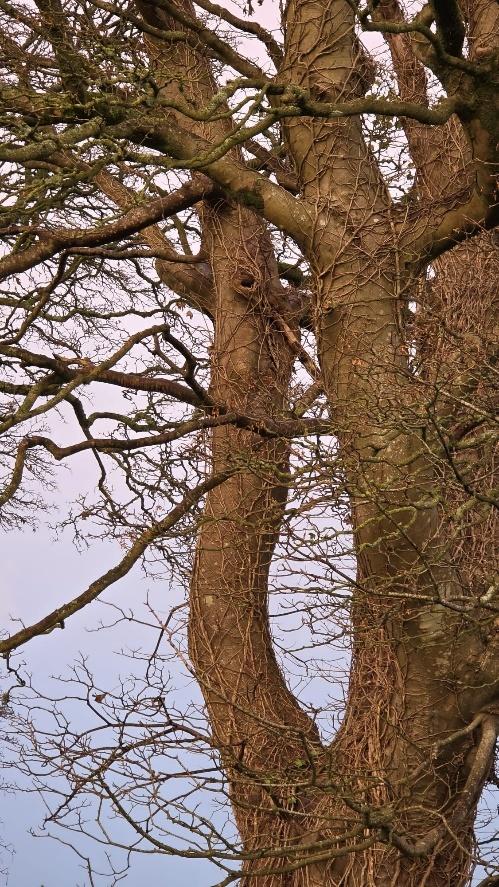
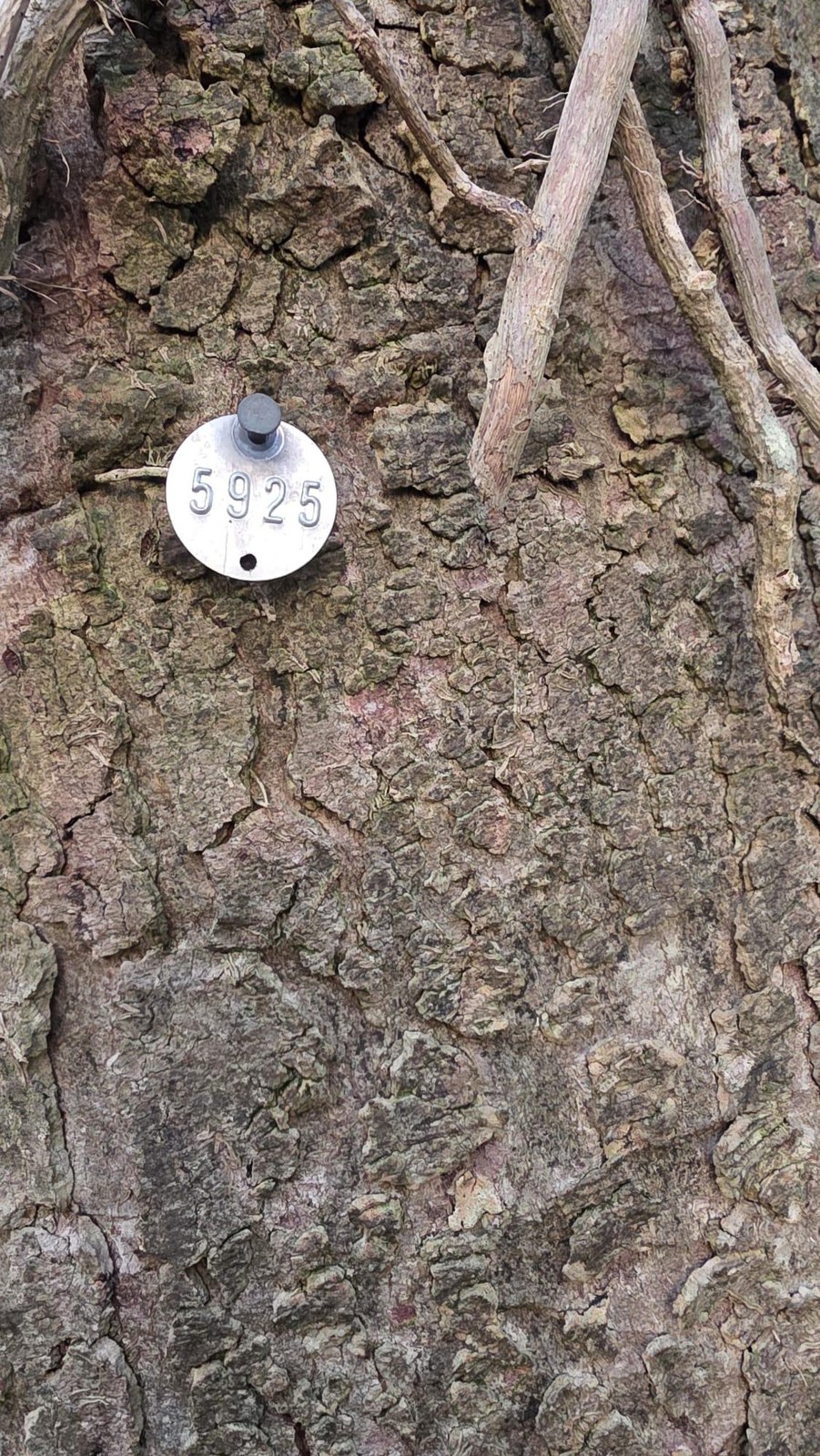
Tree 5925 had 2 cavities suitable for nesting birds, one of which included an inactive nest of a Wren or Tit spp. Tree 5926 had one hole that had potential for both breeding birds and roosting bats but no evidence that they were being used was found. It was approximately 6m high on limb facing west and appeared dry.
Images 1-3: Inactive nest in tree 5925; 2 cavities visible on tree 5925; cavity in tree 5926.
Page 6 of 28
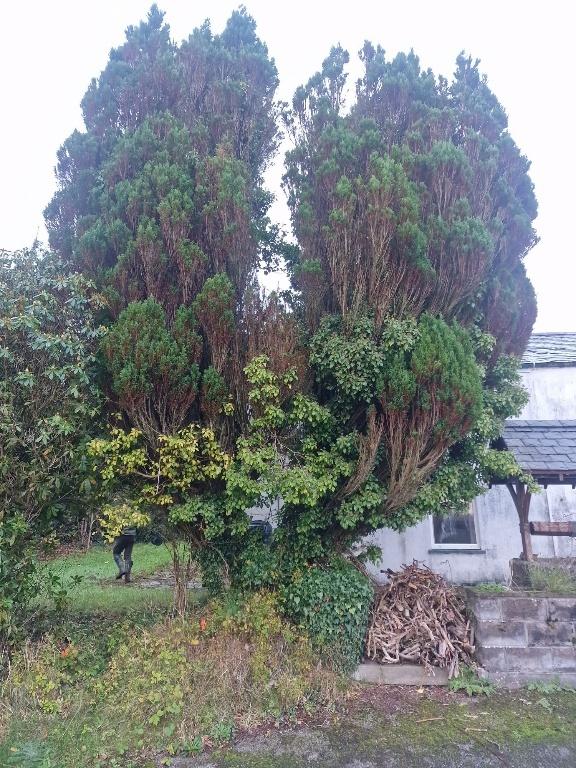
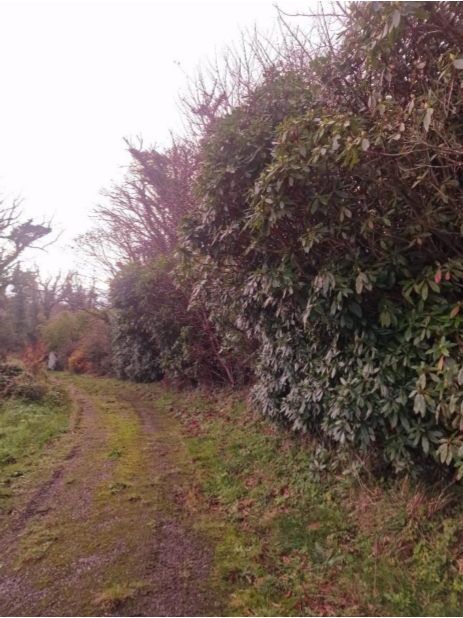
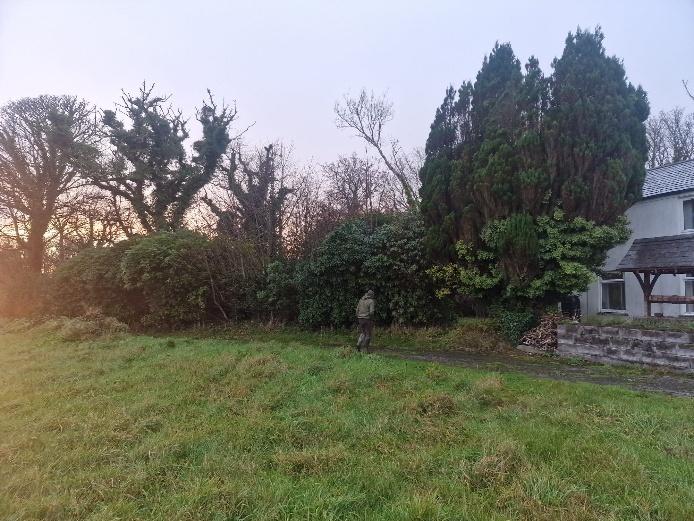
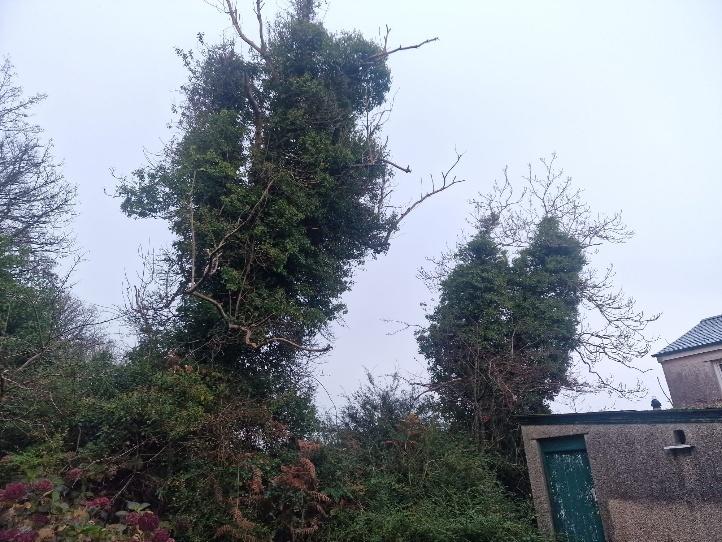
In the area of trees; 5921, 5920, 5919, 5918, 5917, 5927 and Group 1, small passerines such as Chaffinch, Blackbird, Robin, and Wren were observed roosting in the trees, mostly in the Ivy.
Page 7 of 28
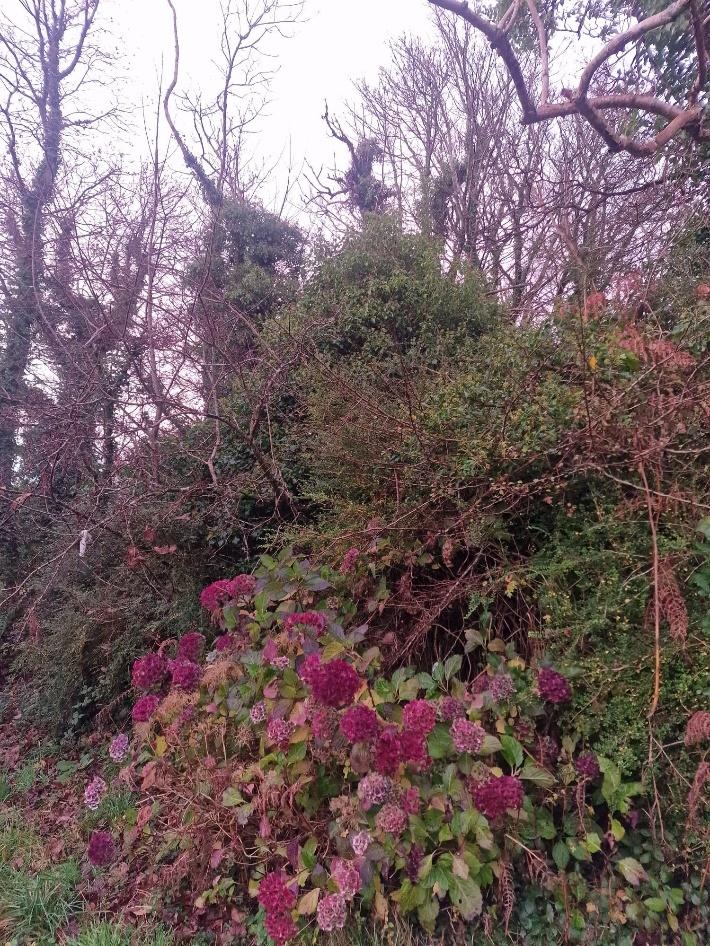
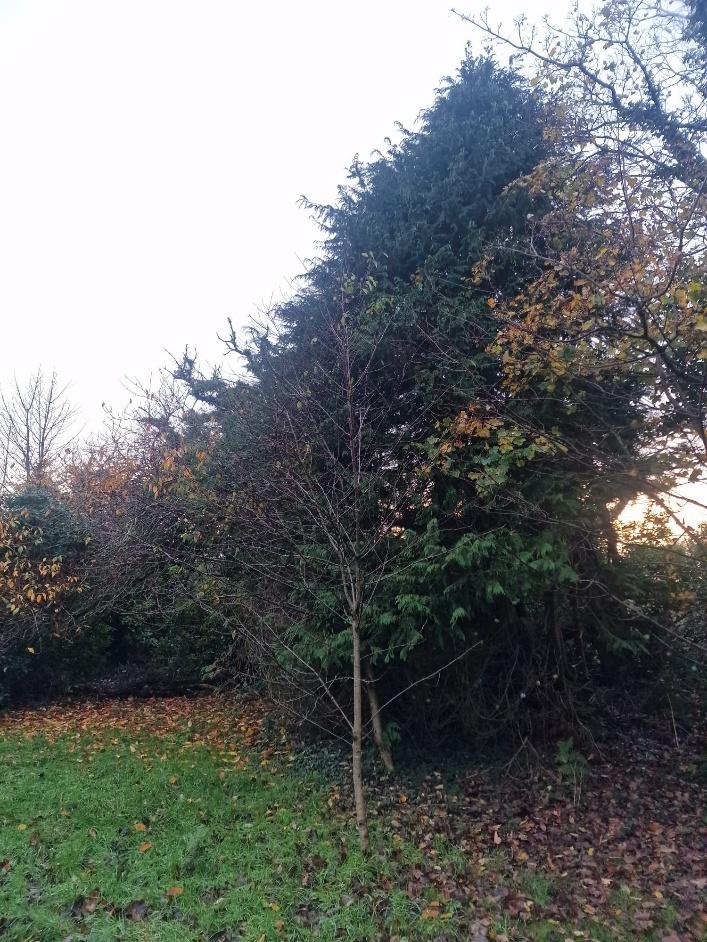
Images 4-10: trees where passerines were observed flying between and roosting.
The bat survey was carried out on Monday 10th November, and the surveyors were on site 1 hour before sunset until 1.5 hours after sunset as per bat handbook guidelines.
Two bats (Soprano pipistrelle) were detected at 17:10 and 17:25. The bats were recorded flying/feeding over the trees being surveyed.
Page 8 of 28
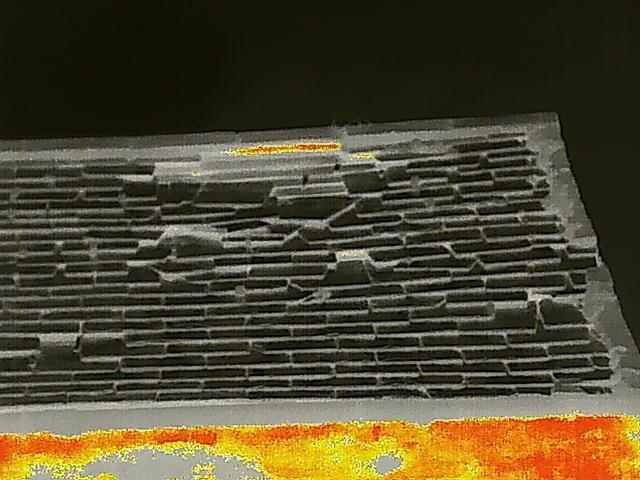
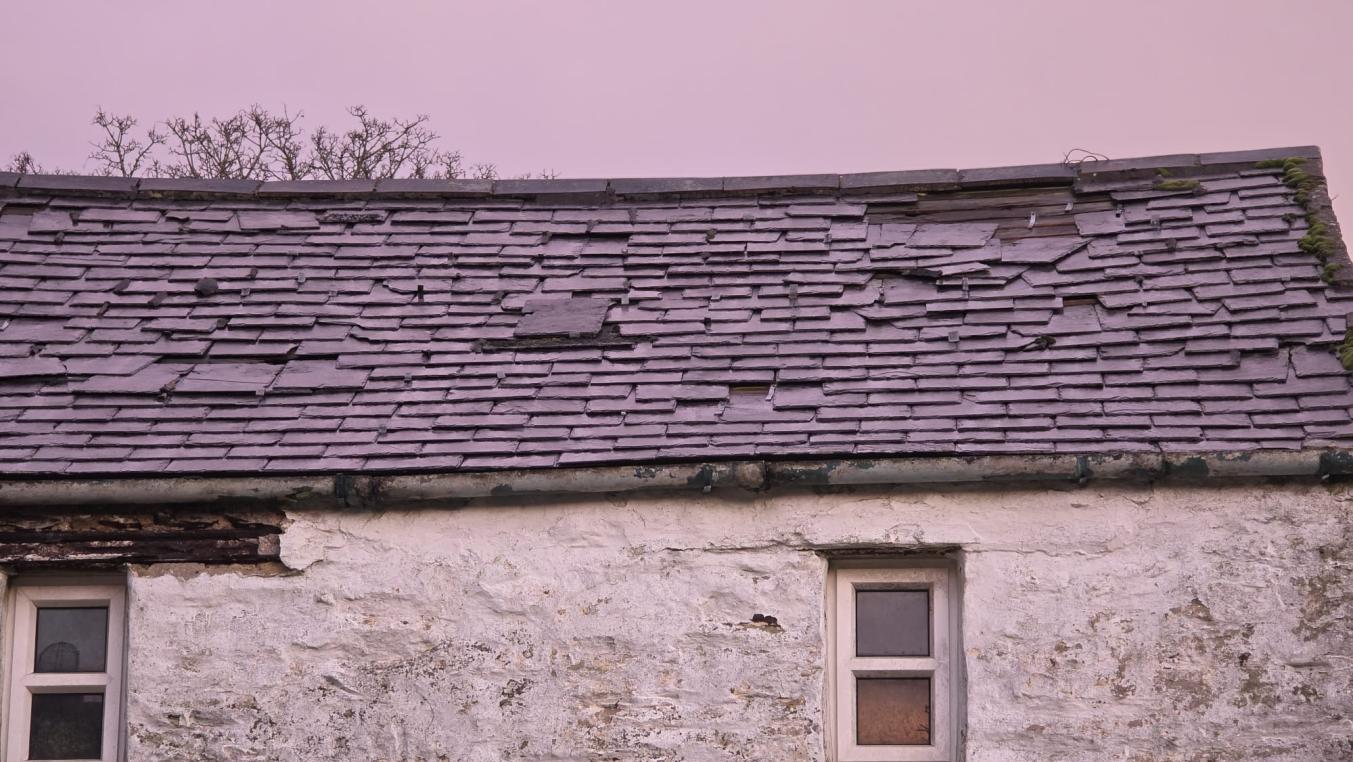
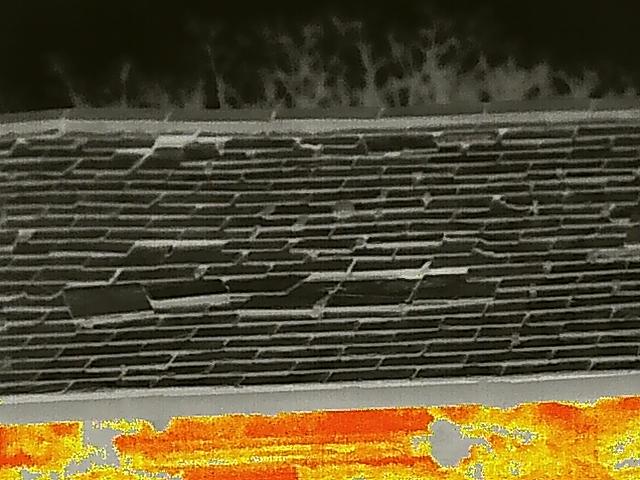
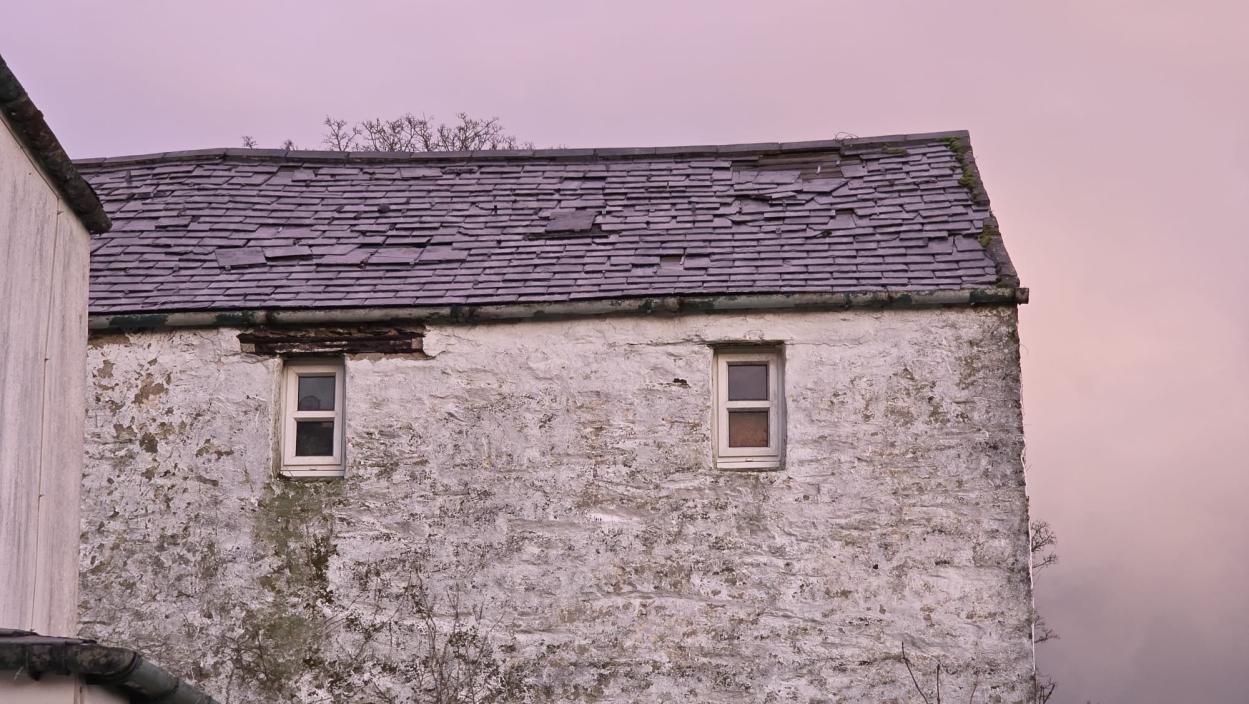
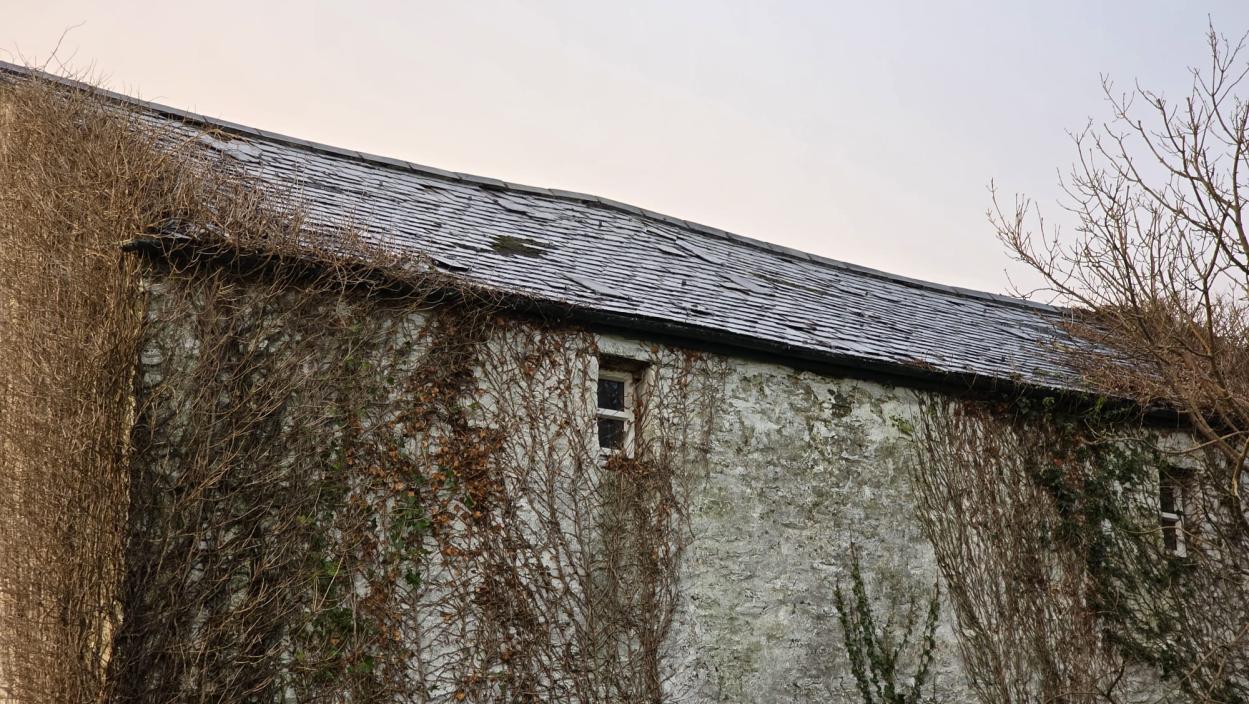
Images 11 and 12: Loose slates on the barn roof that may be suitable for roosting bats.
Page 9 of 28
Overall, several of the trees recommended for removal at the site do have potential for breeding birds and were in use at the time of survey by roosting birds. There was no evidence that these trees were currently in use by breeding birds.
The use of the site by bats determined by the surveys included 2 bats, Soprano pipistrelles. These individuals were recorded well after sunset so it was unlikely to have been roosting in the trees, and rather just came to feed, as Soprano pipistrelles tend to emerge from roosts 20 mins after sunset.
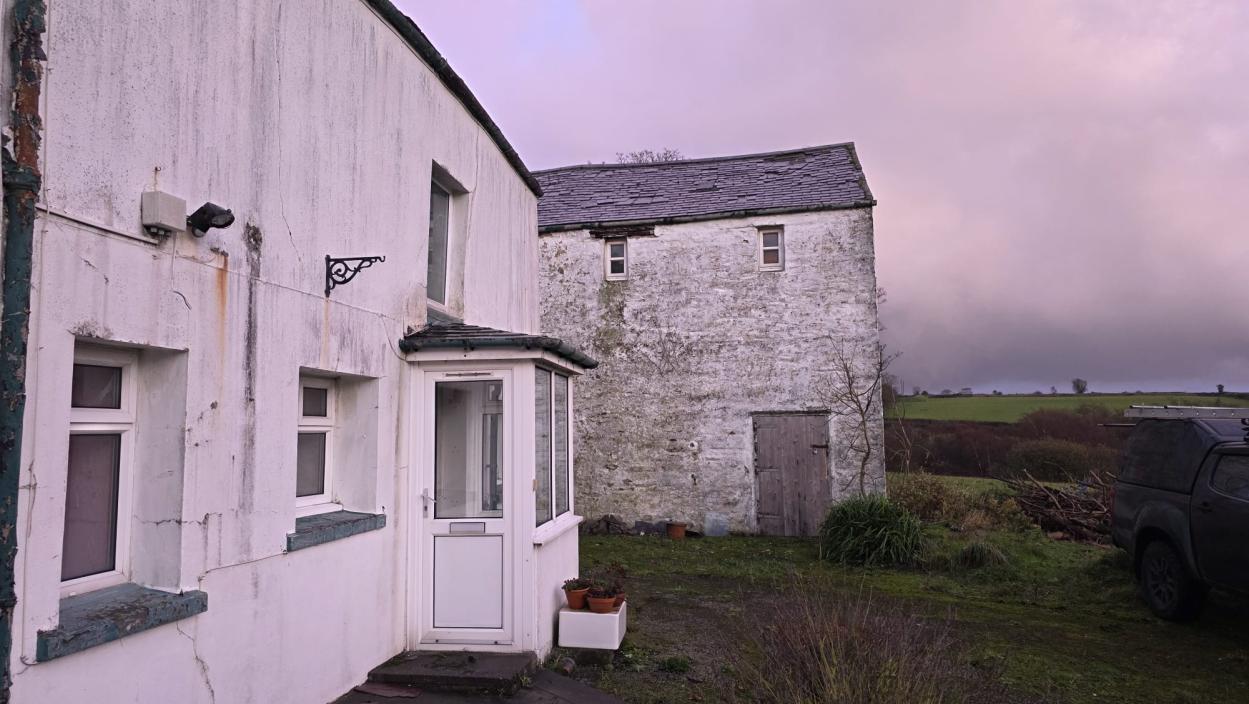
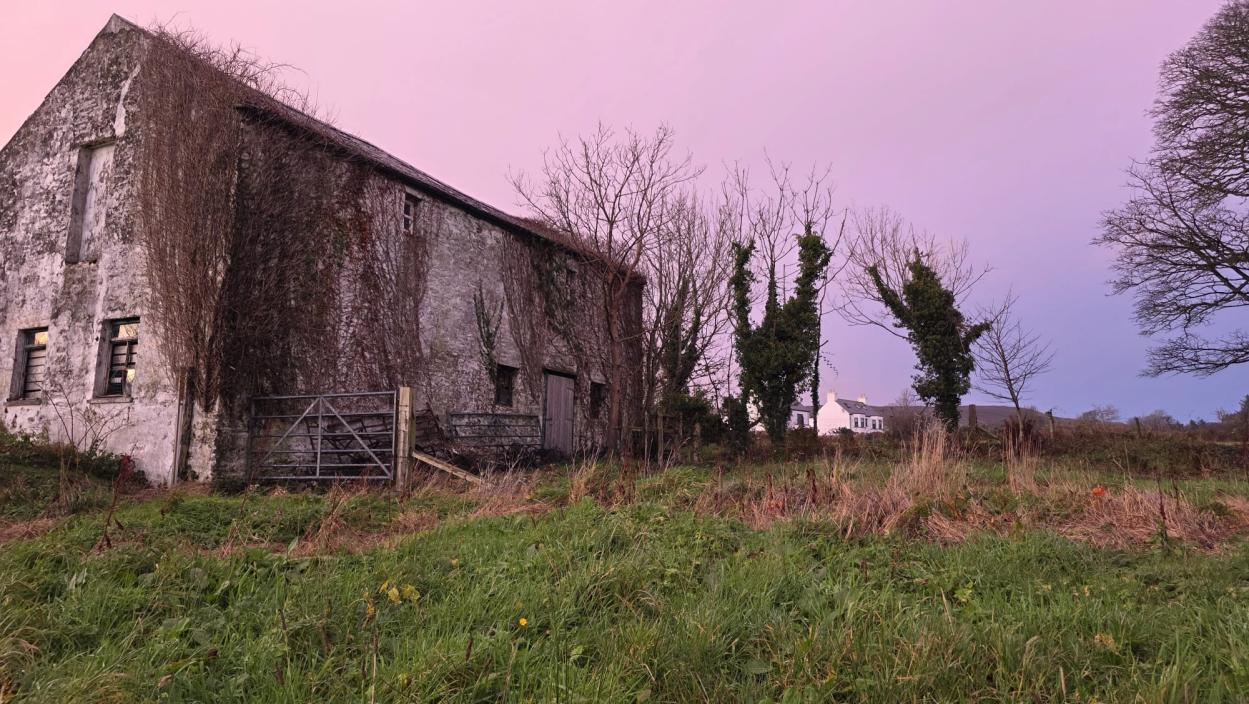
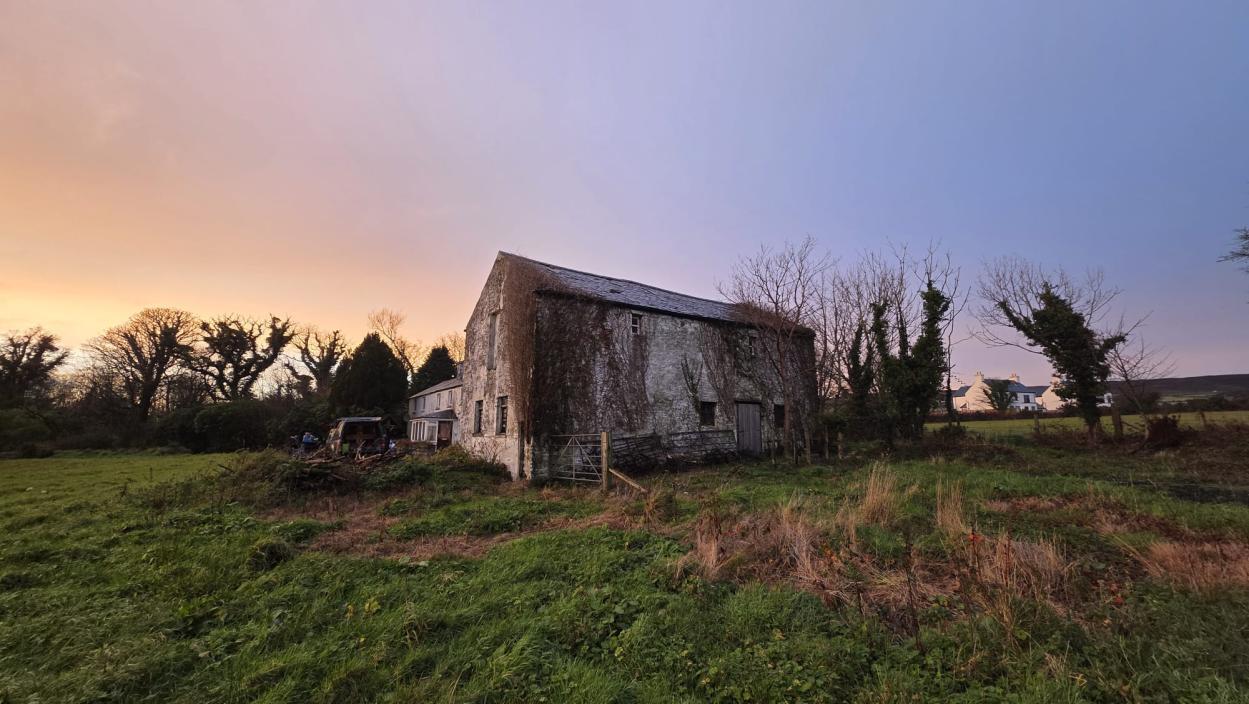
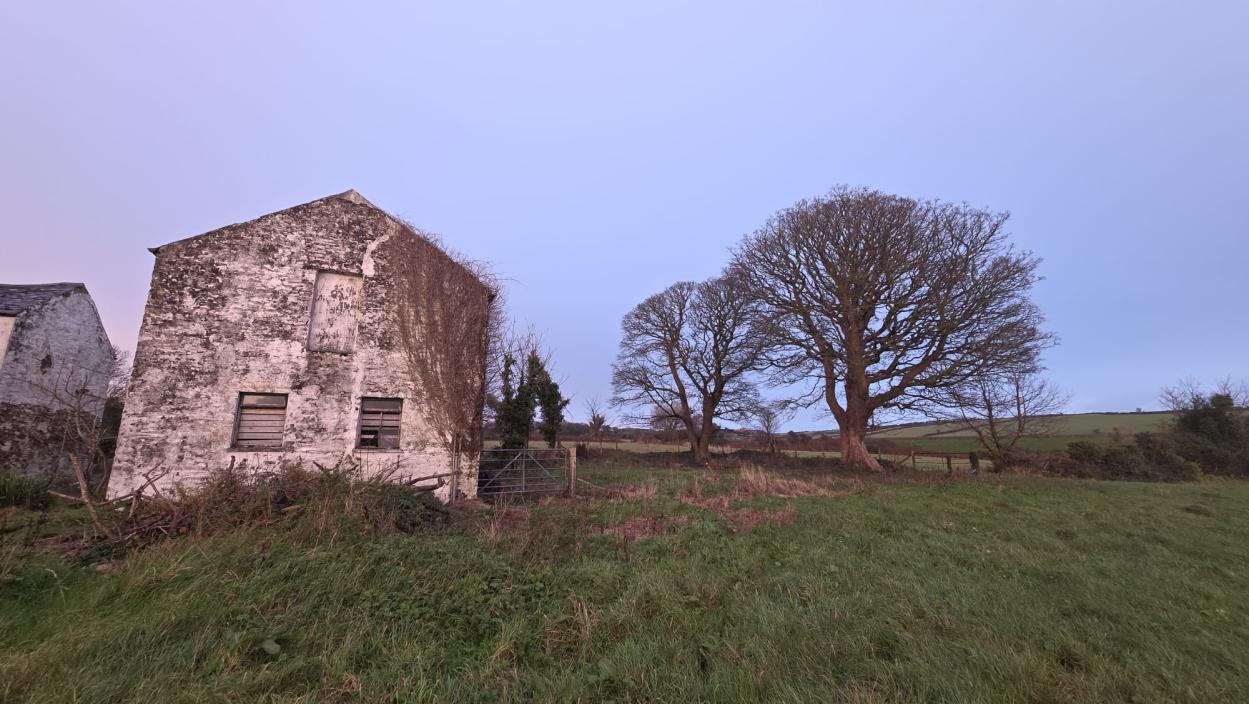
Based on external observations, the barn building did have potential for roosting bats as there were many loose slates on the roof.
The site does have potential for breeding birds or bat roosts in the trees and bushes. However, given the limited evidence of breeding birds or roosting bats, and low levels of roosting activity of common birds, the removal of the trees would have a minimal impact on wildlife.
Birds of Conservation Concern in the Isle of Man 2021 - Manx BirdLife Bat Surveys for Professional Ecologists 2023 - Bat Conservation Trust
Page 10 of 28
Appendix 1: Survey results Survey results [all surveyed visually, using torch if required, with the use of thermal imaging as well, and the use of bat detectors]. All the following have been checked as above and cleared of any sign of bats and birds:
Page 11 of 28
Appendix 2:AdditionalPhotos
Page 12 of 28
Page 13 of 28
Page 14 of 28
Page 15 of 28
Page 16 of 28
Page 17 of 28
Page 18 of 28
Page 19 of 28
Page 20 of 28
Page 21 of 28
Page 22 of 28
Page 23 of 28
Page 24 of 28
Page 25 of 28
Page 28 of 28
Copyright in submitted documents remains with their authors. Request removal
