Loading document...
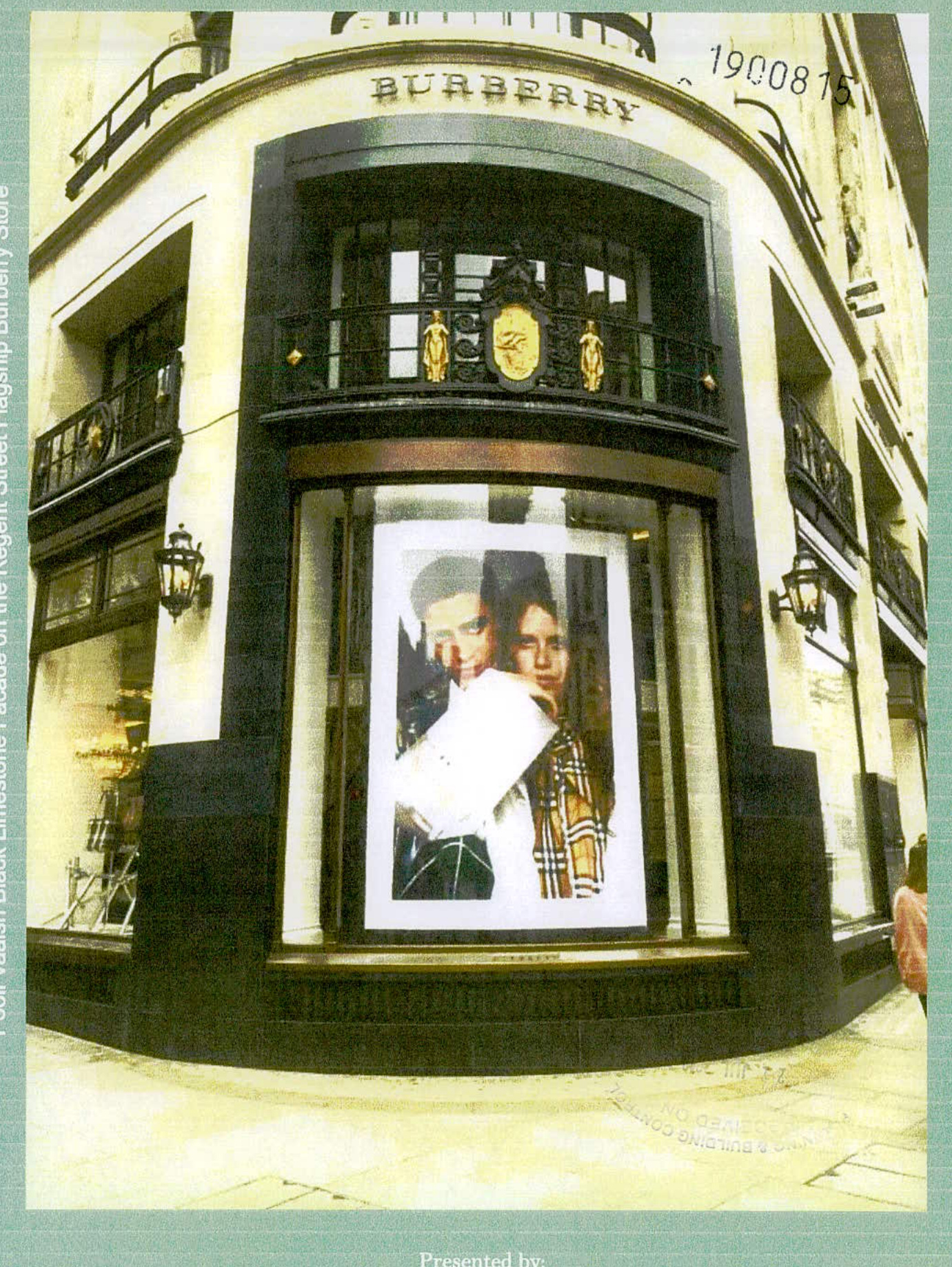
There is an opportunity to establish a new, highly profitable, factory on the island to process dimensional blocks of the unique Manx Pooil Vaaish pure black limestone into highly polished slabs and other products for sale across the world.
The recently re-opened Pooil Vaaish Quarry currently has to export raw blocks for processing on a $4,000 \mathrm{~km}$ round trip to the continent. Processing locally would reduce production costs, production time and the risks of damage in transit whilst significantly increasing the amount of extracted stone suitable for transformation, adding all the value here on the Isle of Man thereby benefiting the Manx economy.
Investment will be required to fund equipment and premises, but new Isle of Man jobs will be created together with a corporate profit stream and a new Manx international premium brand.
Pooil Vaaish stone has been specified for a number of projects including St Paul's Cathedral, The National Gallery, Soho Place and Kuwait International Airport and, in October, we were asked to supply flooring for replacement of Pooil Vaaish floor tiles in the Royal Chapel at Hampton Court Palace. There is also enormous interest from colleagues to supply stone in the UK, Europe and both South and North America.
The polished slabs would be wholesaled to a very few resellers, each of whom would have geographical exclusivity for a particular part of the world. The company would retain the right to deal directly with the local market and with larger clients ordering finished products ranging from tiles and steps to architectural features and facades.
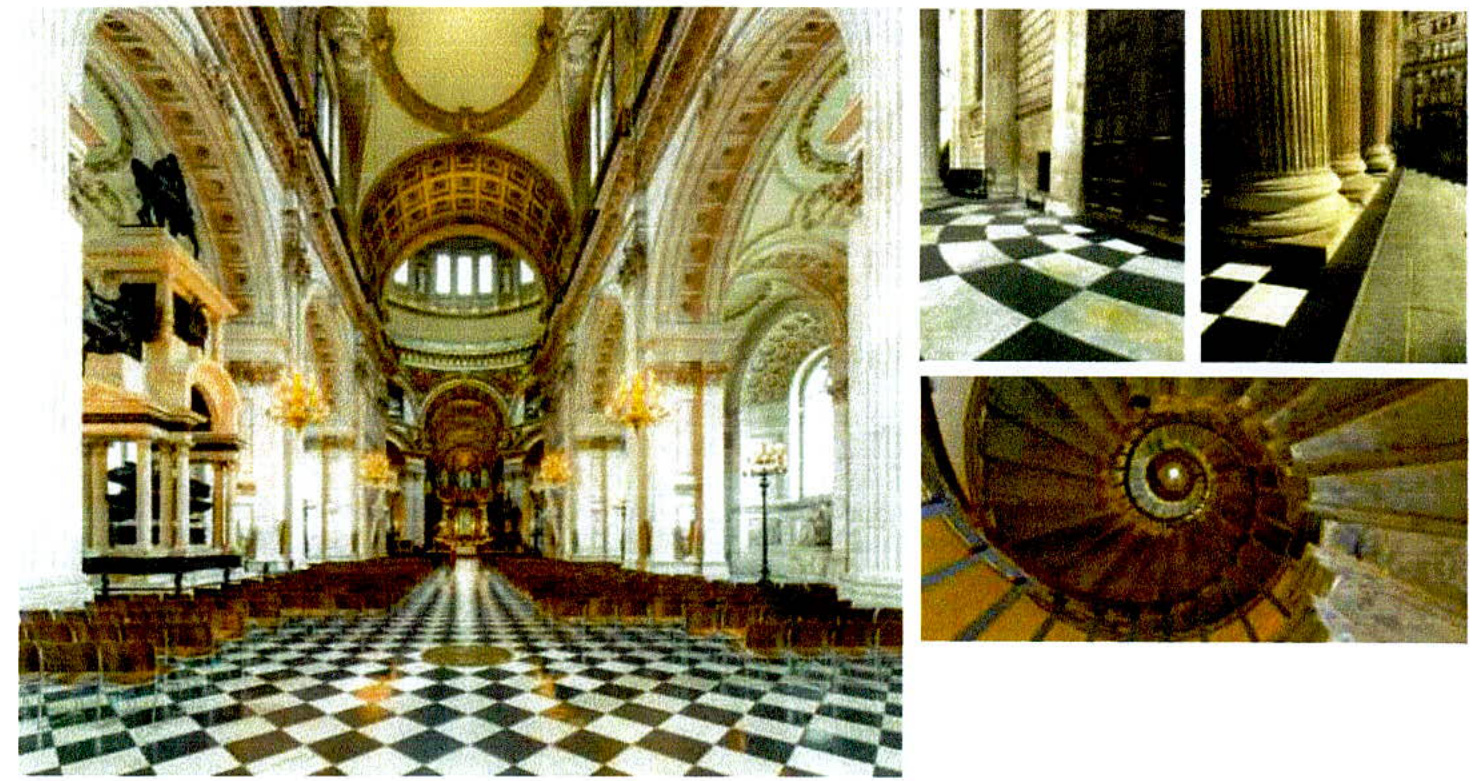
To set up an on-island facility, close to the historic Pooil Vaaish Quarry, processing dimensional blocks of the unique and highly valuable Pooil Vaaish Black Limestone into polished slabs for export and other products for both export and local use.
Black limestone from Pooil Vaaish Quarry has been used for centuries both here on the island and in prestigious buildings in the UK in all different forms including polished flooring, architectural features such as fireplaces, corbels and steps, memorial stones, signage and walling stone. It has been most famously used in a host of 17th Century Sir Christopher Wren projects including the steps and internal floor of St Paul's Cathedral, the 311 circular steps inside the Monument to the Great Fire of London, Emmanuel College Chapel in Cambridge and the Royal Chapel at Hampton Court Palace.
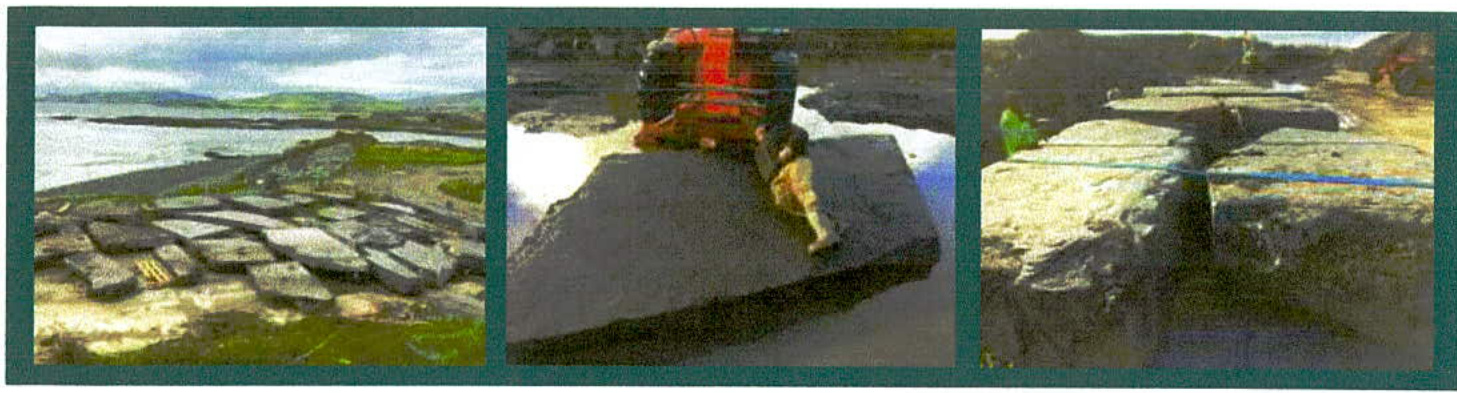
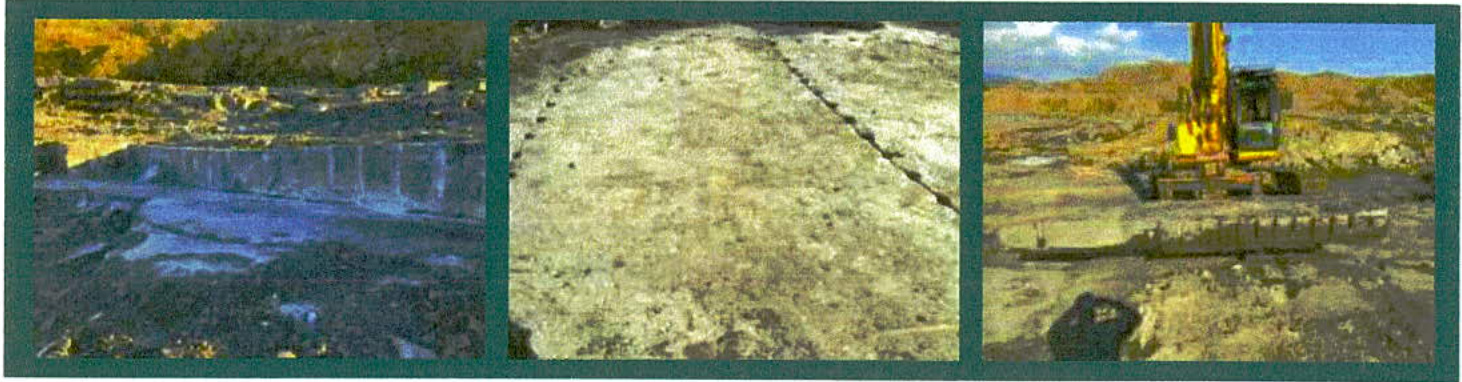
Pooil Vaaish Quarry Limited, which owns Pooil Vaaish Quarry, has planning permission to extract stone until 2045. It also has a mining lease to extract up to 3,500 tonnes per annum until 2037.
The previous owner successfully tested the depth of the mineral to 100 feet (the quarrymen have found several of these coreholes in the stone beds) but the current mining lease restricts quarrying activity to be no deeper than sea level. Wardell Armstrong's survey drawings estimates reserves to sea level to be over 100,000 tonnes. Year 1 estimates a requirement for up to 360 tonnes and thereafter no more than 560 tonnes of dimensional blocks.
Significant investment in new equipment at the quarry site by the owners is being used to successfully quarry blocks of stone with markedly reduced wastage. Holes are drilled at frequent intervals along planned breakage lines on the stone beds using an automated drilling rig.
Using a combination of hydraulic and manual plugs and feathers, the blocks are separated from the beds ready for lifting out and processing. It is estimated that the yield from the quarry has increased to more than $50 \%$ of stone quarried being suitable for processing into slabs and other products. Suitable dimensional blocks will be purchased by PVPL leaving the remainder for PVQL to sell directly as other raw products such as building stone, crazy paving, rockery stones for gardens, standing stones and crushed stone.
Overburden has been cleared in new areas establishing that the stone beds are continuing as expected with layers of the same thickness and quality as has been quarried in the past. The strata angles slightly upwards with the thicker beds lower in the quarry. Experience suggests therefore that as the site is quarried into the new areas, the thicker beds will be quicker to access. Many full loads of Pooil Vaaish
Stone, have been successfully processed on the continent including a load in May this year. Without primary saws (housed in a workshop) the blocks are missshapen and awkward to load and stack, making it difficult to maximise the amount of stone being exported. The quarry company is reliant on dealing with processors at arm's length and can have no input in the process.
Having a commercial relationship with an on-island factory, committed to consistently taking dimensional blocks (of all sizes) makes absolute sense, freeing the quarry company to concentrate on maximising output. Another critical advantage is that the proposed manufacturing company could convert even the smallest blocks into highly valuable products which is not feasible with automated block processing lines.
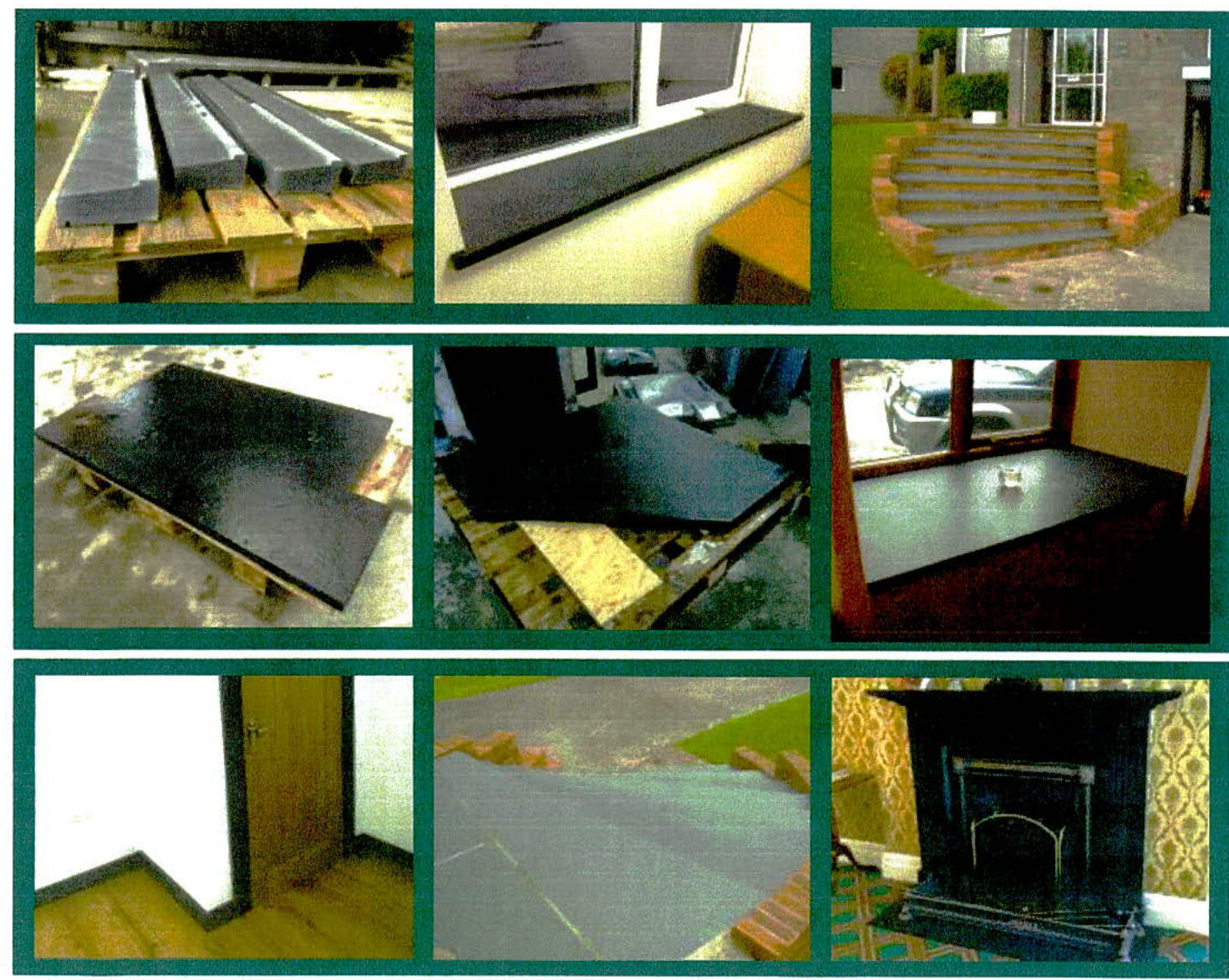
Cut to size income would be made up of a wide variety of products all of which could be made with the equipment in the workshop without affecting the volume of slabs being sawn and polished. Extremely conservative sales figures have been estimated for the financial projections. It will take the company some time to build up to a full order book but the potential income from this sector of the business is substantial both locally and for export. As there are no alternative suppliers on island, local sales would all represent import substitution.
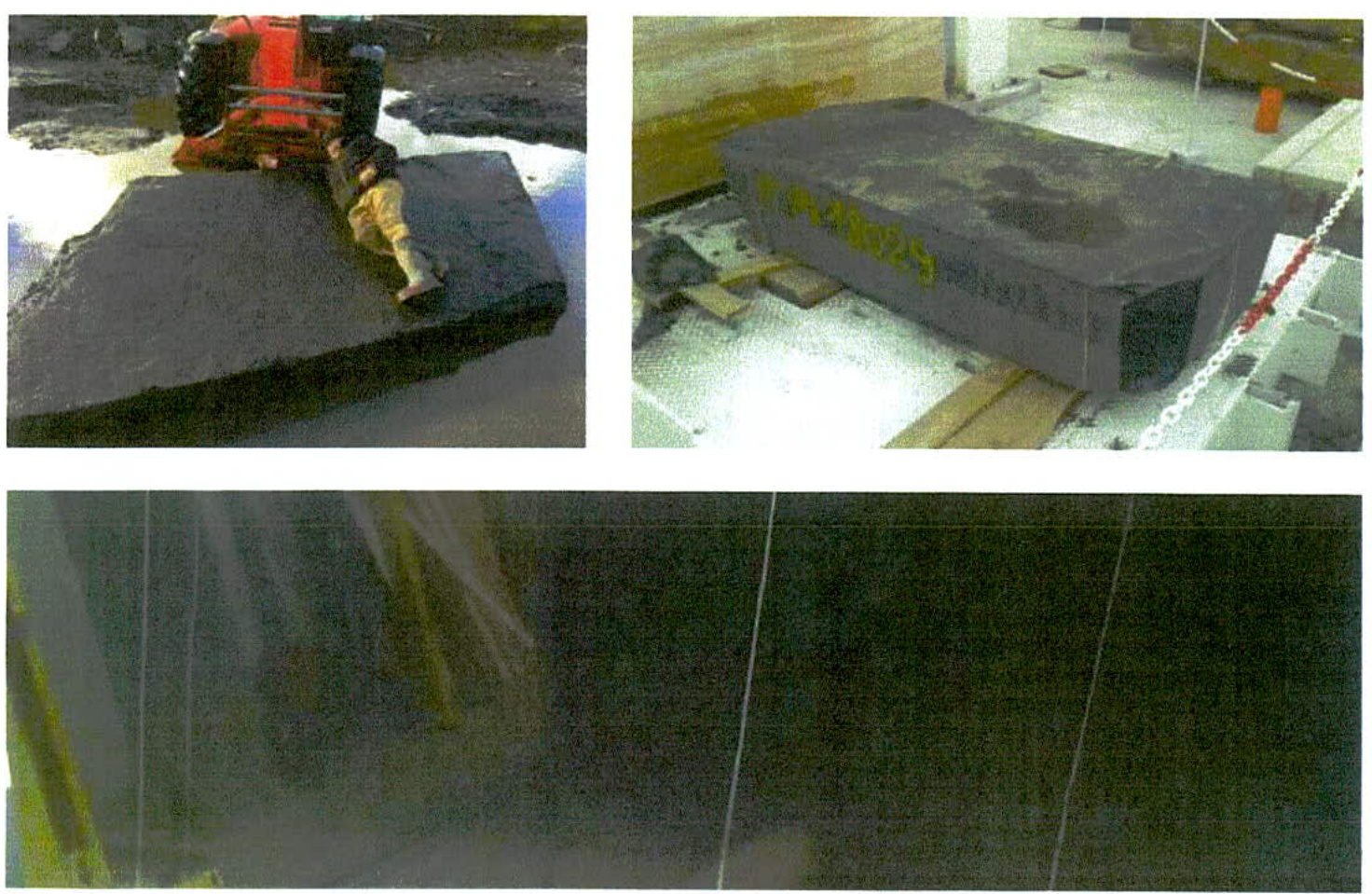
Different areas and levels within Pooil Vaaish Quarry yield different variants, bed thicknesses and qualities of the limestone which will attract a variety of price points. The chart below shows the percentages and wholesale prices of each classification of dimensional stone blocks extracted. Every category of stone is valuable, with all sale prices well in excess of other stone types.
Copyright in submitted documents remains with their authors. Request removal
